Caring for Your Righteous Clothing: Your Thorough Handbook
Purchasing a garment is only the first chapter. Everything that comes post-checkout, wash after wash, season after season, determines whether that purchase turns into a closet favourite or a regret shoved to the back of a drawer. This article walks through down-to-earth maintenance guidance for anyone who owns or is considering pieces from We Are Righteous, a brand recognised for heavyweight cotton, considered construction, and streetwear silhouettes built to outlast a single season’s hype. If a righteous review or two crossed your path pre-purchase, you’ll have noticed the fabric quality is frequently highlighted. This piece takes over from there, centring on the care side of things: how to wash, dry, keep, and mend your pieces to preserve that first-day appearance.
Why Care Instructions Matter More Than People Think
Poor manufacturing rarely causes clothing to fail — poor aftercare does. Heat, agitation, and harsh detergents are responsible for the lion’s share of premature fading, shrinking, and material degradation seen in day-to-day clothing collections. A 2025 industry survey on garment longevity found that over 60% of reported quality complaints traced back to incorrect washing temperatures rather than manufacturing defects. That statistic matters here because Righteous clothing, especially the heavyweight hoodies and fleece pieces, is built from dense cotton blends designed to hold shape and colour for years, but only if handled the right way.
Think of it this way: a 400gsm cotton hoodie reacts very differently in the wash than a lightweight 180gsm tee. The heavier the fabric, the more water it retains, the longer it takes to dry, and the more careful you need righteous clothing to be about heat exposure. Skipping this distinction is the single biggest reason people end up disappointed with pieces that were actually made to a high standard. Maintenance is far from an afterthought here — it’s part of the investment.
How to Properly Wash Your Righteous Hoodie
Having become a defining piece for the brand, the righteous hoodie deserves particular attention. Before washing, turn the garment inside out. This single step protects any printed or embroidered branding from friction damage against zippers, buttons, or other garments in the load. Use cold water — ideally 30°C to 40°C — and a mild, brightener-free detergent, as optical brighteners can dull darker colourways over time.
Steer clear of cramming the drum too full. An overpacked drum leads to poorer water flow, extra creasing, and patchy detergent spread — all of which speed up wear on heavyweight fleece.
Avoid fabric softener entirely. It blankets cotton fibres with a filmy residue that cuts down breathability and can make printed graphics lift faster. Should you prefer a gentler feel, a wool dryer ball or an extra rinse cycle achieves this without the chemical downside. Wash dark and light pieces separately for at least the first four to five washes, since that’s typically when the small amount of residual dye release takes place. Beyond that point, colour transfer risk drops significantly.
Drying: Where Most People Slip Up
Machine drying stands as the biggest risk of keeping its shape in heavyweight cotton garments. High heat causes fibres to contract unevenly, which is why so many hoodies come out of the dryer clearly reduced in the body and sleeves after only a few cycles. For anyone with multiple Righteous apparel garments, air drying ought to be the standard practice, not merely a backup.
Place garments flat on a drying rack or a clean towel as opposed to shoulder-hanging them. Suspending heavy, damp cotton pulls at the shoulder seams and can leave lasting distortion in the neckline over time. While it’s still damp, reshape the garment, flattening the cuffs, hem, and hood so it dries in its original form. In humid climates, a fan aimed at the flat-lying garment accelerates the drying process without introducing heat damage. Anticipate a full drying cycle of anywhere between 12 and 24 hours for heavyweight fleece, based on ambient humidity and airflow.
Storing Garments to Preserve Shape and Colour
Folding versus hanging is a genuine debate, and for heavy streetwear pieces, folding usually wins. Hangers put constant tension on shoulder seams, which with prolonged use can cause permanent stretching or clear hanger indentations, most notably in fleece-backed fabrics. Crease hoodies and sweatshirts along the seams they naturally fall on and stack them no more than five or six high to keep from crushing the bottom layers.
Make sure stored pieces avoid direct sun exposure. Ultraviolet exposure quickly fades both dyed fabric and printed graphics, and a windowsill or sun-facing shelf can noticeably fade a black hoodie within several months. A breathable cotton storage bag is a better choice than sealed plastic, which traps moisture and can lead to damp, mildewy smells even in pieces that were fully dry when stored. Rotate your wardrobe seasonally rather than leaving the same three pieces in heavy rotation year-round; this alone can lengthen how long a garment stays wearable by a year or more.
Handling Stains and Daily Wear
With stains, fast action is everything. Blot, don’t rub, and treat inside the first 30 minutes when you can, since oil-based stains in particular set permanently into cotton fibres after they dry. Cold water and a small amount of dish soap handle the most everyday marks — food, grease, dirt — without requiring harsh stain removers that can fade colour in blotches.
For pilling, which is typical on any heavyweight cotton-poly blend after extended use, a fabric shaver applied carefully on a low setting revives the texture without thinning the material. Loose threads should be snipped, never pulled, since pulling can unravel a seam that was otherwise structurally sound. If a hoodie develops a small hole at a stress point like the pocket seam or cuff, a simple whip stitch in matching thread will usually stop it spreading before it turns into a bigger repair job.
Where Righteous Clothing Stands on Care Demands
Streetwear pieces don’t all require equal upkeep. The table below lays out typical care requirements across three common garment weights, showing where Righteous clothing sits in terms of maintenance effort versus durability payoff.
| Garment Type | Advised Washing Temp | Recommended Drying Approach | Typical Lifespan With Proper Care |
|---|---|---|---|
| Light cotton t-shirt (180gsm) | 30°C | Air dry or tumble dry on low | 1 to 2 years |
| Righteous heavy hoodie (400gsm+) | 30–40°C | Air dry flat only | Between 3 and 5 years |
| Standard fleece crewneck (280gsm) | 40°C | Dry on a low tumble setting | 2–3 years long |
That heavyweight garments demand more attention isn’t a negative; it’s a clear pay-off for the extra durability. A well-maintained Righteous hoodie can realistically outlast two or three lighter-weight garments bought over the same period, which shifts the value-per-wear equation considerably in the buyer’s favour.
What the Reviews Reveal About Durability
Dig through forums and you’ll find plenty of discussion threads and a increasing amount of dedicated write-ups under terms like we are righteous review or righteous review, and a pattern becomes clear fast. Buyers regularly note the weight of the fabric and how the garments hold their shape after multiple washes, even when care hasn’t been perfect. That’s a significant indicator. A brand that delivers even under imperfect real-world laundering conditions is one built with authentic manufacturing standards, not just marketing language.
Where a we are righteous review tends to differ from generic streetwear feedback is in the specificity: people talk about stitching density, hood weight, and how the fabric feels after the tenth wash rather than the first. That amount of nuance suggests a customer base that’s truly trialling the product over time, not just assessing it the moment it arrives. It further points to the fact that the we are righteous brand has built genuine repeat trust rather than one-off hype purchases.
Drawing It All Together
Taking good care of your clothes isn’t difficult, but it needs a bit of mindfulness. Cold washes, letting garments air-dry, thoughtful storage choices, and quick stain response cover roughly 90% of the effort required to preserve a garment’s crisp appearance for the long haul, not just a few months. When it comes to heavier items in particular, the payoff for that small extra effort is well worth it: less need to buy replacements, colours that stay truer for longer, and a piece that keeps looking and fitting the way it did when you unboxed it.
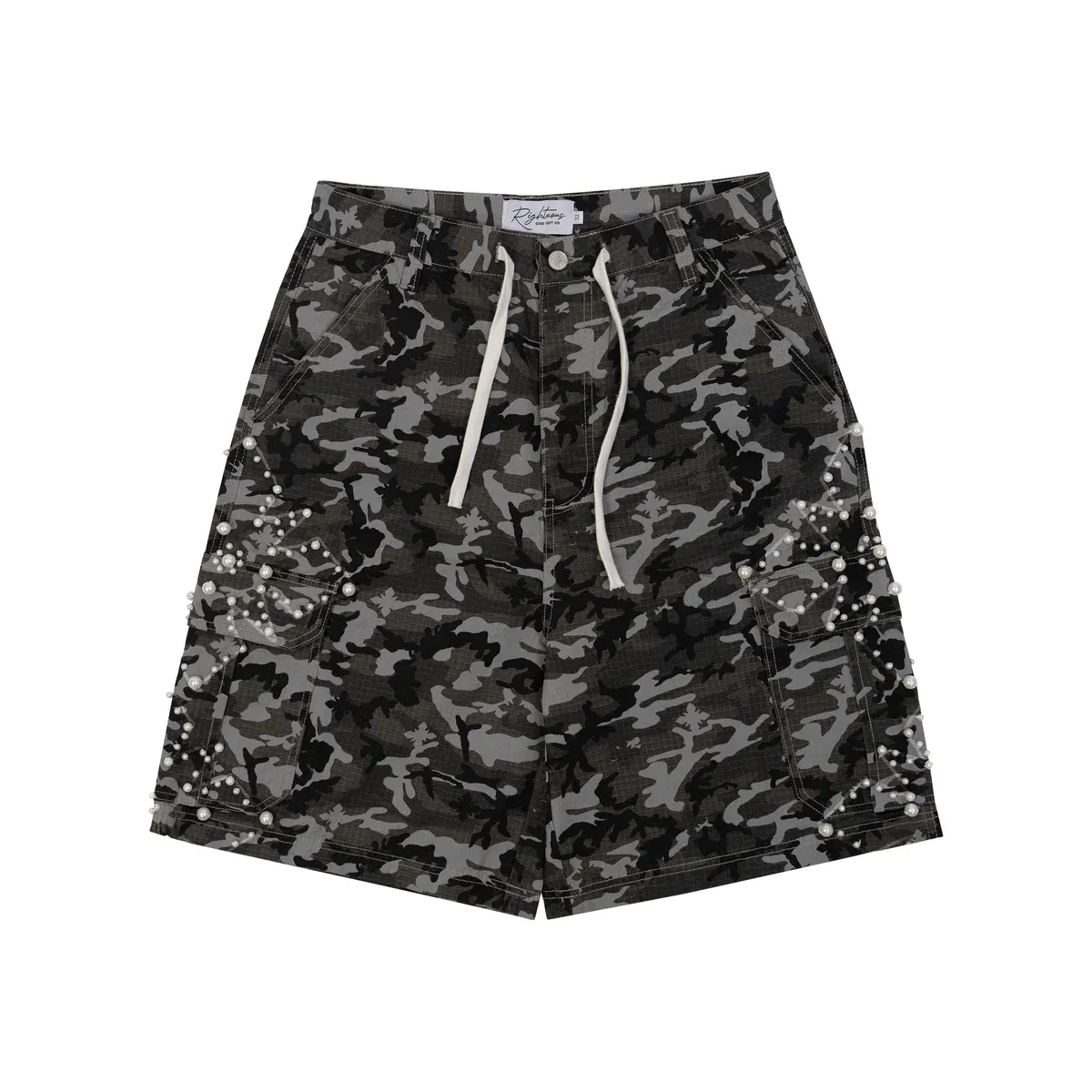
Good fabric is worth good habits, and as the we are righteous brand continues to expand its range heading into 2026, these maintenance guidelines will matter just as much for future drops as current pieces. Treat your Righteous clothing as it was meant to be cared for, and it will stay with you for years rather than seasons.
Leave a Reply