the HMDD Shorts vs Sweatpants: Which One Suits Your Everyday Life More Effectively
Weighing up HMDD sweatpants versus HMDD shorts goes beyond seasonal temperature. It’s a question of the rhythm of your daily routine, the gap in your wardrobe, as well as which cut aligns with the mood of the HMDD brand — Happy Memories Don’t Die — that’s drawing so much shopper interest in 2026. The two lines stem from one common DNA: relaxed fits, street-style-driven cuts, and subtle logo work that keeps the focus on the garment in place of an oversized logo. However these two items tackle separate challenges. Here, we unpack the real-world distinctions so you can decide which one earns a permanent spot in your rotation, or whether you need both.
Among buyers researching an HMDD review before buying, HMDD has built a name, mostly since the label doesn’t exaggerate its pitch. It’s positioned as daily-wear pieces with a nostalgic streak — the name itself, happy memories dont die, points to a label rooted in comfort and sentiment rather than disposable fast-fashion trends. Two of the most searched products are shorts and sweatpants, and each answers a different lifestyle rhythm: one built for warmth and stillness, the other for movement and airflow.
The Mission HMDD Shorts Exist
Versatility is the starting point in the way HMDD shorts are built. They fall in that in-between zone of sport-meets-casual style, so they work equally well for a grocery run, time at the gym, or relaxing with the AC on. The fit tends to land at or slightly above the knee, which keeps the silhouette up to date without tipping into either extreme of hmdd the short-length spectrum. That balanced cut has become a defining trait of HMDD clothing overall — designs that ignore passing micro-trends and instead lean into a proportion that holds up well over time.
In this case, fabric weight carries real importance. Shorts stand as inherently a warm-climate or seasonal-transition piece, while HMDD’s method leans toward ventilated cotton-blend fabrications that retain their form after repeated washes. If you’re someone who’s active — walking the dog twice a day, hitting a 6 a.m. workout, or spending afternoons outside — shorts reduce friction, literally and figuratively. They also work well when layered under extended outerwear pieces when temperatures drop, and this extends their usable calendar beyond just summer.
Styling-wise, pairing HMDD shorts with the brand’s graphic tees and hoodies delivers a put-together look with very little work involved.
For those weighing up the best HMDD clothing options as a first buy, shorts are commonly suggested as a starting piece because the fit is generally more lenient than snug-cut bottoms, while also noting that the price point typically sits lower than sweatpants since making them requires less material.
The HMDD Sweatpants’s Design Focus, Broken Down
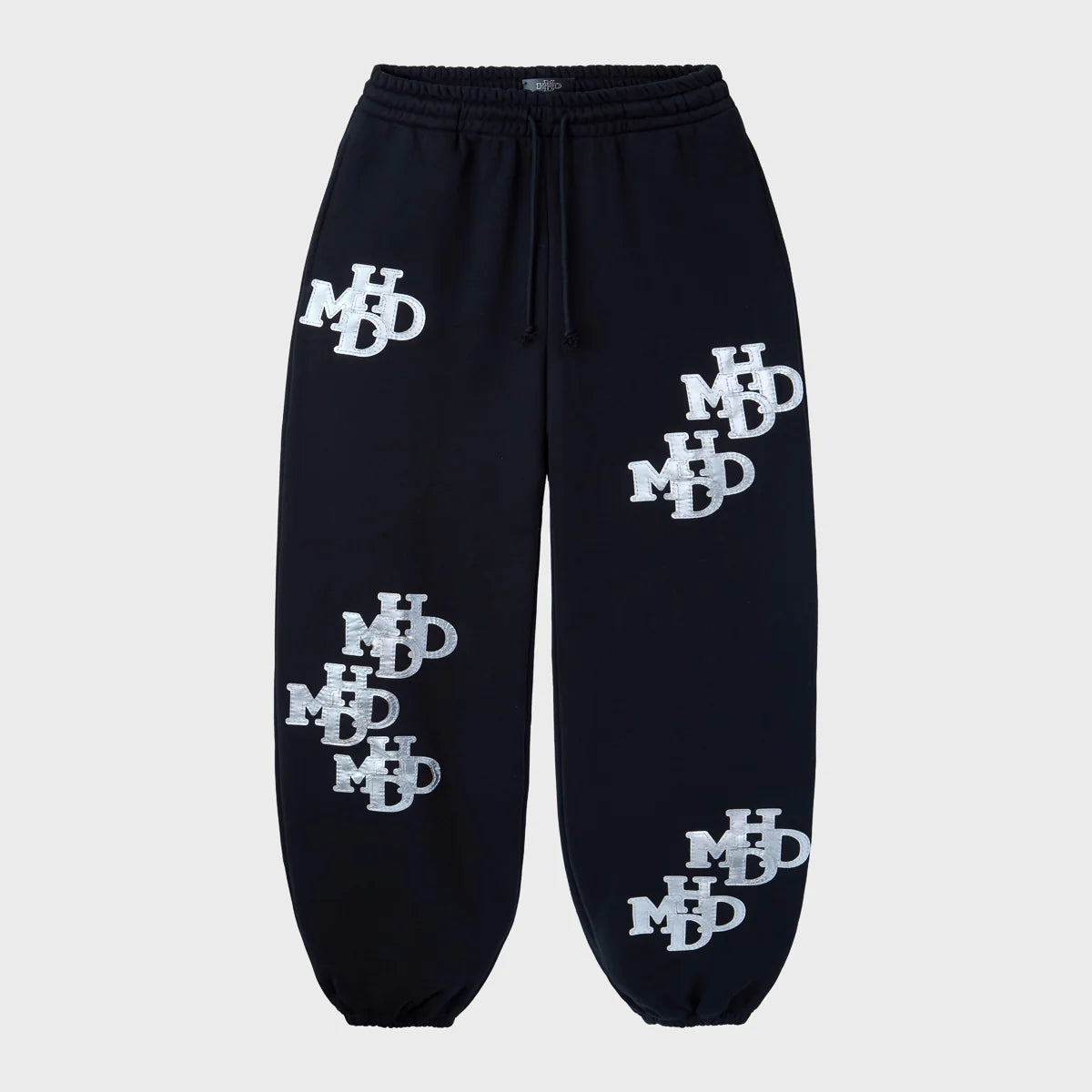
The sweatpants style are built around an entirely different function. The pair is built for insulation, round-the-clock ease, and a slouchier silhouette that comes across as more “everyday wear” than “performance gear.” In most cases, HMDD sweatpants come with a tapered leg with an drawstring waist, and the material thickness runs heavier — commonly a midweight cotton blend that retains heat efficiently during winter stretches.
Because of this, sweatpants suit people whose days are spent seated rather than in motion: people working from home, students in lecture halls, or those after a go-to outfit for chilly mornings and late evenings. The trade-off is breathability. Unlike shorts, sweatpants weren’t made for intense movement, so if your day includes being out and about in 75-degree warmth, they’ll become a liability rather than an asset.
Where sweatpants outperform shorts is in perceived value per wear. Since they see use over a longer stretch of the year in most regions — think October through March in temperate regions — the cost-per-wear calculation often favors sweatpants even when the upfront price is higher. HMDD’s sweatpants also tend to carry more of the brand’s signature detailing, like stitched wording that nods to happy memories don’t die, since more fabric real estate leaves designers with greater creative room.
A Head-to-Head Breakdown
| Category | HMDD Shorts | The HMDD Sweatpants Line |
|---|---|---|
| Best season | Spring through early fall | Fall through winter |
| Fabric weight | Lightweight cotton blend | Midweight to heavyweight fleece blend |
| Common usage | Active days, warm-weather errands, gym | Relaxing at home, remote work, chilly commutes |
| Layering potential | High — pairs under longer outerwear | Moderate — bulkier under fitted layers |
| Logo presence | Smaller logo placements | Greater fabric space for embroidery or print |
| Cost-per-wear in a standard climate | Lower frequency, seasonal use | Worn more often through the colder stretch |
Pairing the Piece with Your Daily Routine
When your days are filled mostly with activity — commuting on foot, exercising, or spending time outdoors — shorts prove the more sensible choice. They cut down on trapped heat while giving you greater freedom of movement, which counts for more than most anticipate once someone’s pushed through a workout in overly tight bottoms. By contrast, if your lifestyle skews toward stationary comfort, whether that’s logging hours at a home desk or filling weekends with at-home errands, sweatpants deliver more consistent value.
Climate is the other deciding factor, and it’s often underestimated. Someone living somewhere with mild winters might get away with wearing HMDD shorts nine months out of twelve, while someone in a colder region might reach for sweatpants five days a week from November onward. This is why many repeat customers researching HMDDLA and the wider HMDD clothing catalog end up owning both — not as a redundant purchase, but as a seasonal rotation strategy that keeps their wardrobe functional year-round.
Often missed is the role body type and personal ease preferences also have. Shorts tend to show more leg shape and length, something certain buyers like and certain buyers skip. Even with style cycles turning yearly, sweat-style bottoms have stayed a closet essential, largely because their looser drape tends to be kinder across a wider range of body shapes.
Guidelines Regarding Longevity along with Upkeep
Both pieces hold up fine under the usual cold-wash, low-heat-dry regimen, but their durability differs.
Lighter cotton-blend shorts can display signs of wear at the hem and pocket seams sooner if worn multiple times a week during the hottest stretch of summer, simply because of increased friction caused by motion and more frequent washing.
These sweatpants, owing to their thicker fleece build, hold their shape longer, yet they’re likelier to develop pilling at the inner-thigh region when repeatedly tumble-dried on high heat.
For anyone serious about extending the life of either piece, air-drying is the more reliable method, even though it takes longer. This is a small detail that rarely comes up in a typical HMDD review, but it makes a measurable difference over a 12-month ownership period. Rotating between two or three pairs of whichever product you buy more of also reduces the wash frequency per item, which slows fabric breakdown considerably.
In the End, Which One Deserves to Be Your First Purchase
There’s no universal answer, but a workable approach exists to make the call. If you’re building a capsule wardrobe from scratch and can only afford one category right now, base the decision on the current season and your day-to-day activity level rather than aesthetic preference alone. A person shopping in March or April stands to benefit sooner from shorts, whereas someone browsing in October would do better choosing sweatpants.
If you’ve already gotten familiar with HMDD clothing and want to add to your collection, buying one of each creates a more complete year-round system rather than a seasonal gap. The brand’s consistent sizing and fabric quality across both categories means the decision comes down to function, not risk. No matter which one you pick first, both products reflect the same underlying philosophy the brand was built on — ease, longevity, and clothing meant to be lived in, not just admired.
Leave a Reply