Denim Tears Garment Care: The Complete Washing, Drying and Storage Routine
A Denim Tears garment is not a disposable layer, and handling it as though it were is the surest way to lose what you paid for. The cost-per-wear argument only holds up when a piece survives several seasons of real rotation, and with 2026 market estimates running at roughly $250 to $400 for a hooded sweatshirt and $300 to $500 for jeans, that matters. The reassuring part is that nothing about this care routine is exotic. The cloth is heavy cotton, the make is conventional, and the graphic is a printed or embroidered graphic that responds predictably around heat, friction and agitation. The difference between a piece that still looks sharp in 2029 and one that has gone tired by next spring is a handful of habits repeated without fail. This guide runs in the order you will actually use it: reading the garment, washing, drying, storing, and knowing when to leave it alone.
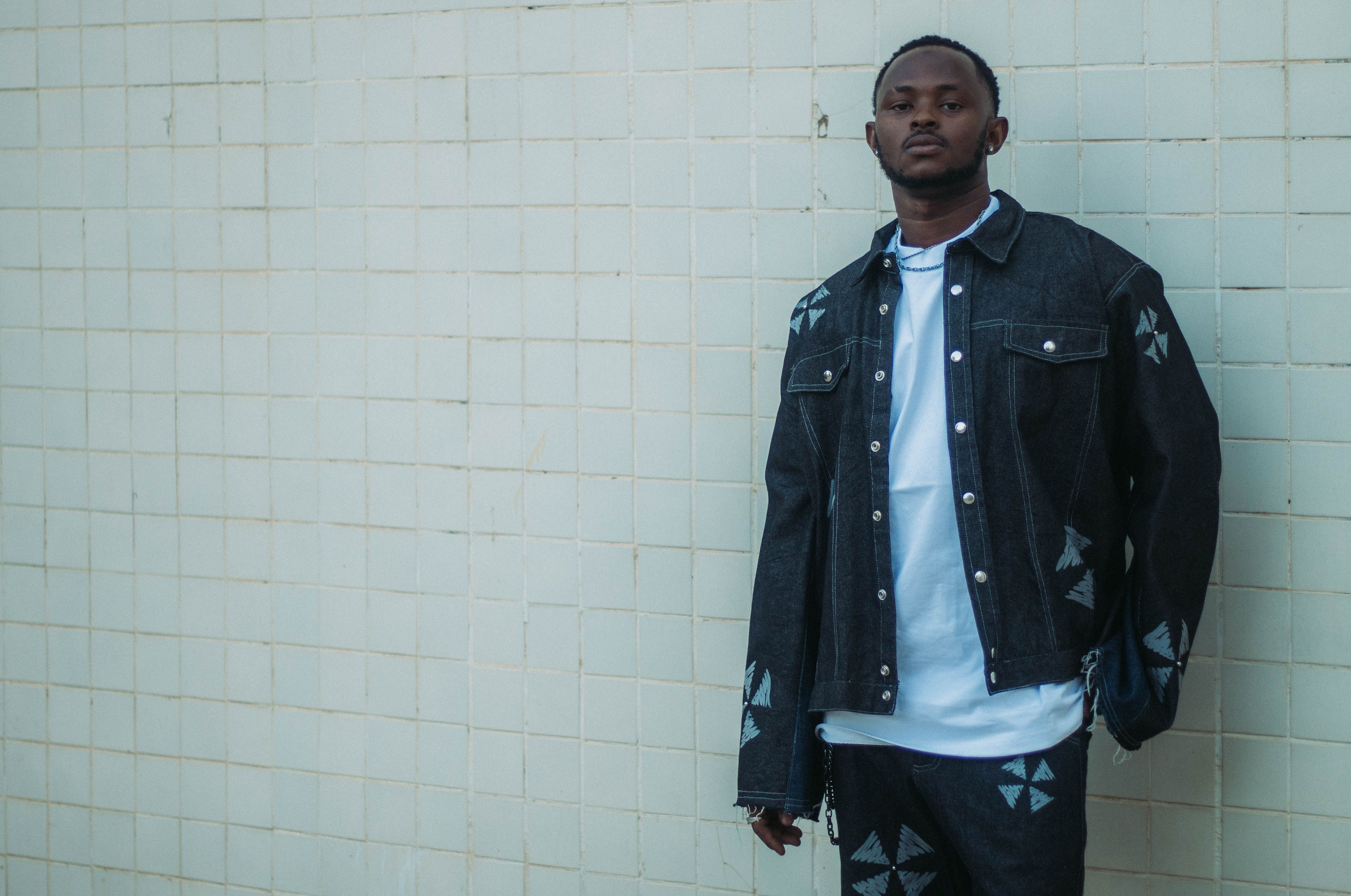
Start With the Garment, Not the Label
Before the piece ever meets water, spend two minutes with it in your hands. Because a screen-printed graphic, a chain-stitch embroidery and a woven patch all fail in different ways, start by turning it inside out and naming the decoration. Heat and stretching are what threaten a print, which feels slightly raised and plasticised against the fingertip. Embroidery sits proud of the surface, holds its colour well, but snags easily on zips and washing-machine drums. Now look at the base cloth: heavyweight fleece in this segment sits around 380 to 480 gsm and denim in the 12 to 14.5 oz band. Do not overlook the hardware, since metal buttons and rivets do most of the scratching to neighbouring garments in a full load.
The Wash Settings That Matter: Water Temperature, Cycle and Detergent
Change one habit and make it the temperature: cold is the highest-value decision here. Run 30°C (86°F) by default, with 40°C (104°F) as denim tears website an absolute ceiling you can usually ignore. Choose a gentle or delicates cycle and limit the spin to roughly 400 to 600 rpm, because hard spinning stretches shoulders and pulls hems out of shape. Choose a near-neutral pH liquid detergent and use roughly half the dose printed on the bottle, since excess surfactant leaves residue that dulls indigo and stiffens fleece. Chlorine bleach is out entirely, and be just as cautious with detergents carrying optical brighteners, which throw an artificial cool tint over ecru and off-white grounds. Fabric softener is best skipped as well, because it coats cotton fibres and reduces the absorbency that made the heavy fleece comfortable to begin with.
A Six-Step Wash Routine
Consistency matters more than cleverness here, so build a sequence and repeat it every time. The steps below need under five minutes of hands-on work and close off most of the ways a wash can fail. Close anything that could catch, check and empty the pockets, and shake it out before loading. Keep the load light enough that items can move freely, because an overpacked drum increases abrasion against the print. Do not throw it in with towels or bedding: wash with similar colours and similar weights. Then work through the order exactly, without reaching for a hotter cycle just because a mark looks stubborn.
- Turn the piece completely inside out, including sleeves and the hood lining.
- To keep hardware off the graphic, close all buttons, zips and drawcords.
- Moving from the edge inward, spot-treat any mark with diluted detergent and a soft cloth.
- Keep the drum light, ideally two-thirds full at most.
- Gentle programme, 30°C, a low spin and half a dose of liquid detergent.
- Take the piece out within fifteen minutes of the cycle ending to avoid creases that set hard.
Drying the Piece: Where the Real Damage Happens
The dryer ruins more Denim Tears pieces than the washer ever does, and the failure is rarely dramatic. Cotton fleece loses about 3 to 7 percent on a first hot cycle, and the piece never comes back to size. Printed graphics turn brittle under heat, so an aggressively tumbled Denim Tears hoodie cracks across the chest after a year rather than five. Air drying is the default recommendation: lay knitwear flat on a rack or a dry towel so the shoulders do not stretch under the weight of wet cotton. A heavyweight hoodie needs roughly 12 to 24 hours indoors, out of direct sunlight, since sun fades dark grounds unevenly. When you have no choice but to tumble, select the lowest heat setting, remove it slightly damp, and let it finish flat on a rack.
Denim Tears Jeans: The Raw Denim Question
The rest of the wardrobe follows one rhythm; Denim Tears jeans on a rigid or lightly treated base follow another. Because the fade pattern is part of the appeal, owners tend to wash far less often, usually somewhere between every 10 and 30 wears according to climate and activity. Hanging the jeans to air overnight after each wear deals with odour far better than most people expect and kills the temptation to wash too often. On the occasions you do wash, flip them inside out, run cold water at 20°C to 30°C, and leave the detergent out altogether when the aim is just to reset the fibres. Dry them hanging from the waistband and give them 24 to 36 hours, since heavyweight denim retains far more water than you expect. Twisting a 14 oz fabric distorts the leg seam and leaves creases that never fully settle, so let them drip instead.
Storing and Folding Through the Off-Season
Over the years, storage is where good habits pay off. A narrow hanger will slowly deform the shoulder line, so fold heavy fleece instead of hanging it. Compression creases in a printed panel can become permanent if left for months, so give each piece breathing room on the shelf. Target a stable 45 to 55 percent relative humidity and away from radiators, exterior walls and direct light. Choose cotton storage bags over plastic or vacuum bags, which seal in moisture and leave a musty note that takes several airings to lift. The short checklist below covers the off-season essentials without over-complicating a simple job.
- Store everything clean, without exception; insects are drawn to body oils and food residue over a long summer.
- Keeping the graphic outward and crease-free, fold hoodies and sweatpants in thirds.
- Skip naphthalene mothballs: cedar blocks or lavender sachets do the job.
- When the shelf is full, jeans can go on a clamp hanger by the waistband.
- As a piece returns to rotation, air it for a few hours.
Every Piece, Every Setting: The Short Version
A ten-second look at the table below covers the whole routine. Colder is almost always safer for both indigo and print, so take the figures as ceilings rather than targets. Frequencies here assume normal indoor wear in temperate conditions and should tighten in hot weather or after exercise. Indoor air drying at normal room temperature with reasonable airflow is the basis for the drying times. The last column notes the single failure mode most likely to affect that category, which is generally the thing to guard against. Collaboration releases follow exactly the same rules as mainline pieces.
| Item | Wash temp ceiling | Usual wash frequency | Drying approach | Main failure mode |
|---|---|---|---|---|
| Hoodie in 380–480 gsm fleece | 30°C / 86°F | Every 5–8 wears | Dry flat, 12–24 hours | Heat cracking the print |
| Jeans, roughly 12–14.5 oz | 30°C / 86°F | Every 10–30 outings | Hang dry, 24–36 hours | Shrinkage and uneven fading |
| T-shirt (jersey, roughly 180–240 gsm) | 30°C / 86°F | After every wear | Dry hanging, 4–8 hours | Collar stretch |
| Joggers | 30°C / 86°F | After 3–5 wears | Dry flat, 10–18 hours | Cuff and waistband slackening |
| Shorts of any weight | 30°C / 86°F | Every 2–4 outings | Hang dry, 6–12 hours | Twisted hems |
When to Step In and When to Leave It: Patina, Repairs and Restraint
Some marks on a well-worn garment are simply part of it. Softened cuffs, a slightly relaxed hood opening and faded knees are the texture of a piece that has been lived in, and scrubbing it away with aggressive laundering does more harm than good. Small structural faults, on the other hand, need catching early: a loose belt loop or a popped side seam costs very little to repair and a great deal to ignore. The independent alteration shops found in most cities price a seam repair or hem reinforcement at around $15 to $60 as a 2026 estimate, which is negligible next to a $300 to $500 replacement. Manage pilling with a fabric shaver, used sparingly and kept well away from printed areas. The sensible aim with any Denim Tears purchase is not to keep it pristine but to keep it structurally sound while its surface earns some history.
Leave a Reply